 Call us now:
Get expert tips, special discounts, and product updates delivered to your inbox.
10M+
Made Knives
94
Years On The Market
$2.8B
Profit
50+
Different Models
Best Sellers
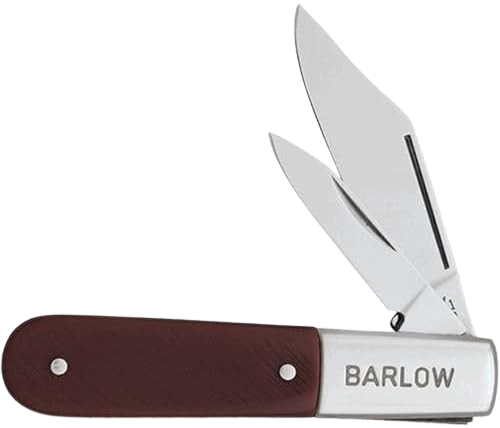
Jackmaster Barlow Folding Knife
Features 3Cr13 stainless steel construction for reliable daily use and long-term durability.
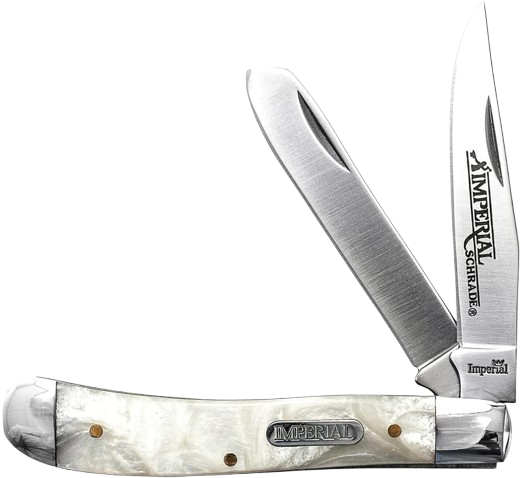
Large Two-Blade Pocket Knife
Classic design with Cracked Ice POM handle and stainless steel bolsters for secure grip and lasting performance.
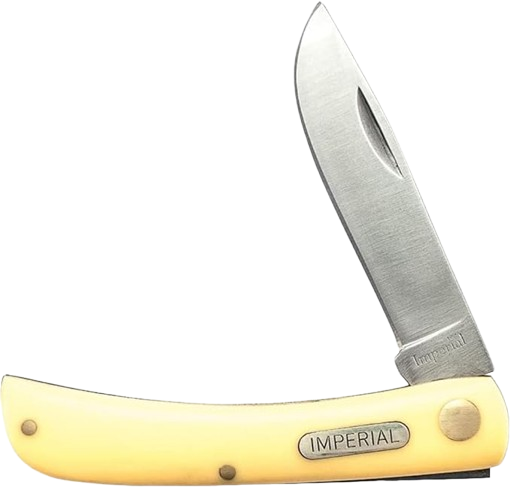
Outdoor Folding Knife – Yellow Handle
Easy-access nail pull design ensures quick blade deployment when needed.
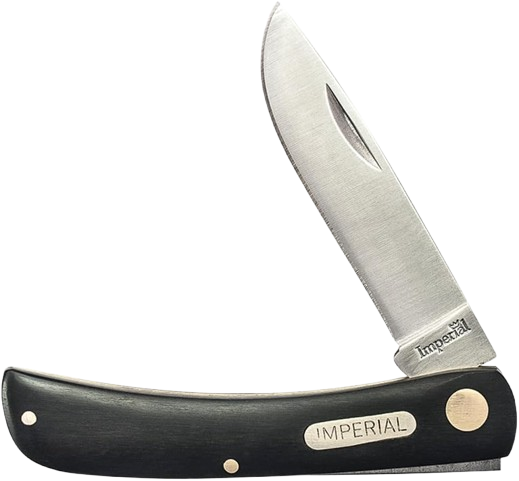
Black Handle Outdoor Folder
Built with heat-treated back springs to keep the blade securely positioned during use.
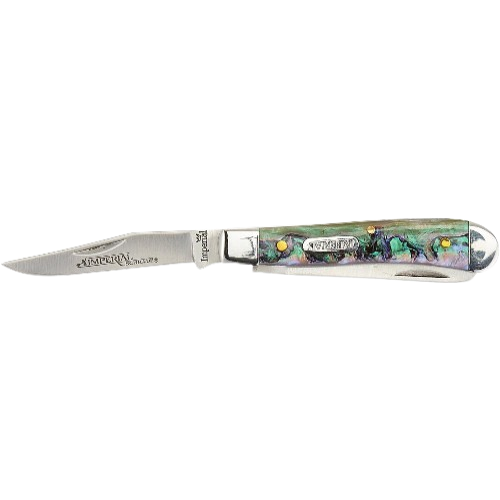
Small Trapper Pocket Knife
Equipped with POM handle for confident grip and control while cutting.

Small Stockman Pocket Knife
Made with 3Cr13 stainless steel blades featuring clip point, sheepsfoot, and spey patterns.
How the six compare
| Model | Closed | Blade | Blades | Steel | Handle | Weight |
|---|---|---|---|---|---|---|
| Schrade Imperial 278 Jackmaster Barlow | 3.3″ | 2.4″ | 1 | 3Cr13 | Brown celluloid, steel bolsters | 2.3 oz |
| Schrade Imperial IMP13L Large 2-Blade | 4″ | 3″ | 2 — clip point, spey | 3Cr13 | Cracked Ice POM, steel bolsters | 3 oz |
| Imperial IMP22Y Folder, yellow | 3.7″ | 2.7″ | 1 — drop point | Stainless (grade not stated) | POM | 2.7 oz |
| Schrade Imperial IMP22 Folder, black | 3.7″ | 2.7″ | 1 — drop point | Stainless (grade not stated) | POM | 2.1 oz |
| Schrade Imperial IMP19PRT Small Trapper | 2.8″ | 2.2″ | 2 — clip point, spey | 3Cr13 | POM | 1.4 oz |
| Schrade Imperial IMP14 Small Stockman | 2.7″ | 1.8″ | 3 — clip point, sheepsfoot, spey | 3Cr13 | Cracked Ice POM, steel bolsters | 1.1 oz |
Accessories
Premium Knife Accessories. From sheaths and sharpeners to multi-tool kits, find everything you need to care for and complement your Imperial knife
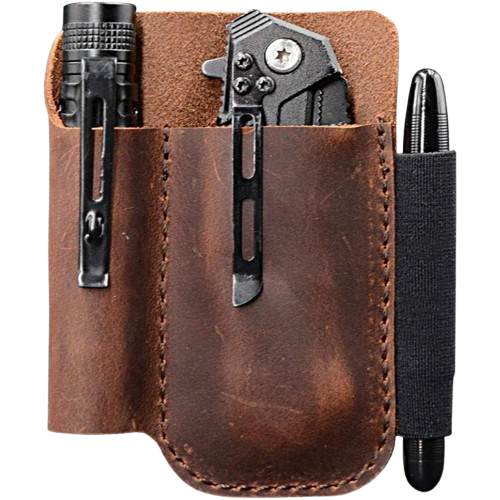
Knife Organizer Pouches

Cases For Knives
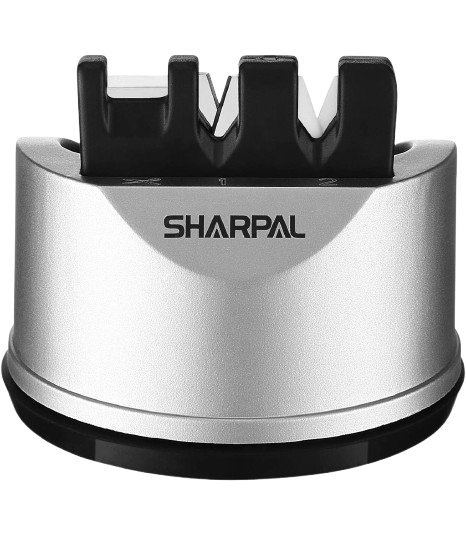
Knife Sharpeners
The Story of Imperial Knives
In 1916 Felix and Michael Mirando left Frosolone, in Italy’s Molise region, and settled in Providence, Rhode Island, chosen for its jewellery trade. Their first products were not knives at all but skeletons: bare working parts sold to Attleboro jewellers, who finished them in silver and gold as Waldemar watch-chain knives. Within a year they were turning out over a thousand a week. Domenic Fazzano, a friend from home, joined them in 1919.
Wristwatches killed the watch-chain trade in the 1920s, and Imperial survived by inventing around the problem: the shadow knife, plastic scales over stamped shells, colour where competitors had bone. It carried them through the Depression. By 1940 Imperial was the largest cutlery maker in the world, at times producing 100,000 knives a day.
The war made it strategic. Imperial supplied over half the trench knives used by the US armed forces, played the key role in designing the M-4 bayonet, and built more bayonets than any other contractor. In 1941 Albert Baer bought the Ulster Knife Company and merged it with Imperial; Schrade followed in 1946, and the group became the Imperial Knife Associated Companies.
The ending is less romantic. Consolidation through the 1980s, the Imperial tang stamp retired in 1988, and in July 2004 the Ellenville plant closed, the year the company would have turned 100. Equipment and intellectual property were sold to repay creditors, and production moved overseas. The name survives; the factory does not.
FAQ: Everything You Need to Know
Imperial offers a wide variety of knives, including pocket knives, folding knives, hunting knives, utility knives, and multi-tools, designed for everyday carry, outdoor activities, and general utility.
Not any more. Imperial knives were made in Providence, Rhode Island, and later in Ellenville, New York, until the Ellenville plant closed in July 2004 and the equipment was sold off. Everything sold new under the Imperial name today is made overseas. If you want a US-made Imperial, you are looking for a vintage knife: check the tang stamp, where marks such as IMPERIAL PROV. R.I. or Imperial Made in USA indicate American production, which ended when the stamp was retired in 1988.
Imperial knives are typically made from stainless steel or carbon steel for durability and sharpness. Some models feature additional materials such as wood, bone, or plastic for the handles.
Yes, Imperial Knives come with a limited lifetime warranty that covers defects in materials or workmanship. It’s important to check the specific warranty terms for the model you purchase.
To maintain your Imperial knife, regularly clean and oil the blade to prevent rusting, especially if it’s made from carbon steel. Store your knife in a dry place and avoid exposure to moisture. Sharpen the blade as needed to keep it performing at its best.
Imperial knives are available for purchase at many retailers, both in-store and online hardware stores, and various e-commerce platforms. You can also check the official Imperial Knives website for authorized dealers.